When it comes to fastening materials together, choosing the right screw can make a significant difference in the strength, reliability, and longevity of the finished job. While screws may look similar at first glance, differences in threads, points, heads, drive styles, and overall design can make one screw ideal for an application and another a poor choice.
At Allied Bolt & Screw, we’re recognized for our massive bolt selection, but that’s only part of the story. We also maintain one of the largest inventories of screws in the industry, with options for construction, manufacturing, maintenance, fabrication, assembly, and specialized applications.
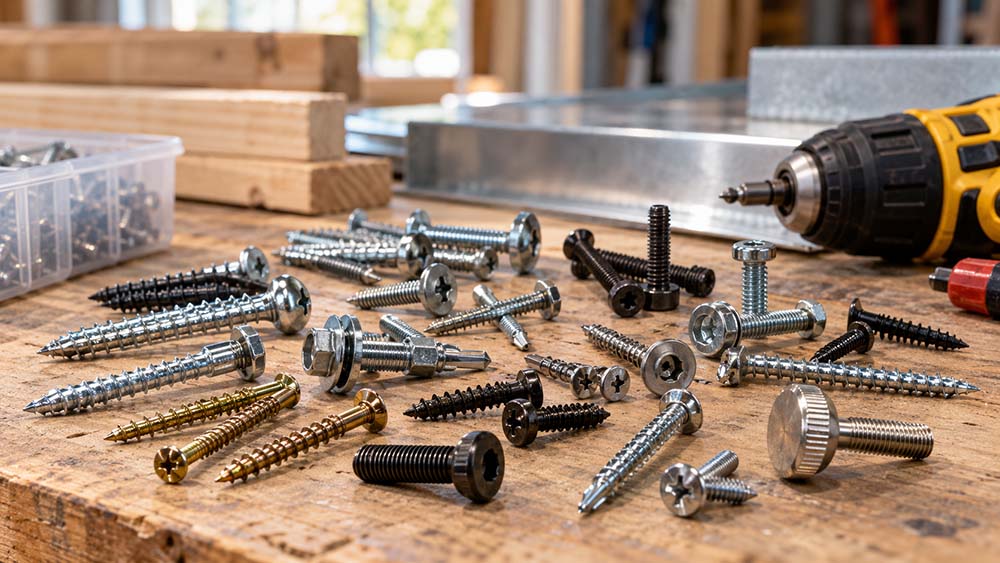
Here are 12 types of screws to know and some considerations when choosing the right one for your application.
1. Drywall Screws
Drywall screws are specifically designed for attaching drywall panels to wood or metal framing. Their sharp points help them penetrate material efficiently, while their head design allows them to sit properly in drywall without unnecessarily damaging the surface.
Different applications may require different lengths, thread patterns, or screw types, so it’s important to match the screw to both the drywall and the framing material.
Common applications: Drywall installation, interior construction, remodeling, and commercial build-outs.
2. Self-Drilling Screws
Self-drilling screws combine drilling and fastening into a single operation. Their drill-like points can penetrate certain materials without requiring a separate pilot hole, helping reduce installation time and the number of tools or steps required.
Allied Bolt & Screw offers self-drilling screws in a variety of head styles and lengths to accommodate different applications.
Common applications: Metal fabrication, HVAC, construction, roofing, and industrial assembly.
3. Hex Washer Self-Piercing Screws
Hex washer self-piercing screws feature a hex-style head with an integrated washer surface. The design provides a larger bearing area while allowing installers to drive the screw using a wrench or appropriate power-tool attachment.
Sharp points make these screws particularly useful for fastening thinner materials where efficient penetration is important.
Common applications: Sheet metal, HVAC, ductwork, metal construction, and general fabrication.
4. Sheet Metal Screws
Sheet metal screws are designed to securely fasten pieces of metal together or attach other materials to metal. Depending on the application, they are available with different threads, points, head styles, and drive configurations.
Choosing the proper diameter, length, and material is particularly important when working with metal because the fastener needs to achieve adequate engagement without damaging the material.
Common applications: Metal panels, enclosures, appliances, automotive components, and fabrication.
5. Wood Screws
Wood screws are engineered to create strong connections in wood and wood-based materials. Their thread patterns help the screw grip the material while pulling components securely together.
The appropriate screw depends on factors such as wood type, thickness, required holding strength, and whether the finished project will be exposed to moisture or outdoor conditions.
Common applications: Carpentry, cabinetry, furniture, construction, and woodworking.
6. Socket Head Screws
Socket head screws are driven using an internal hex or similar socket and are frequently found in machinery and equipment. Their compact head design can make them particularly useful when there isn’t much room around the fastener for conventional tools.
They’re available in numerous configurations for different mechanical and industrial requirements.
Common applications: Machinery, equipment, manufacturing, automotive assemblies, and precision applications.
7. Tamperproof Screws
Sometimes the goal isn’t simply keeping something together. It’s also preventing someone from easily taking it apart.
Tamperproof screws and bits are designed to make unauthorized removal more difficult by requiring specialized tools or drive configurations. They can be especially valuable in public-facing installations or equipment that needs protection against tampering.
Common applications: Public facilities, electronics, signage, security equipment, schools, and commercial installations.
8. Thread-Cutting Screws
Thread-cutting screws are designed to create mating threads as they are driven into an appropriate material. This can eliminate the need for a separate tapping operation in certain applications.
Because materials vary considerably in hardness and thickness, selecting the proper thread-cutting screw for the substrate is essential.
Common applications: Manufacturing, machinery, metal assemblies, repair work, and equipment fabrication.
9. Floorboard Screws
Floorboard screws are designed for fastening flooring and similar wood materials securely to the underlying structure. Their design helps provide the holding power needed for installations that may experience repeated loads and movement.
Selecting the appropriate length and thread configuration helps ensure that the screw achieves sufficient engagement with the supporting material.
Common applications: Flooring, decking, wood construction, and renovation projects.
10. Modified Truss Lath Screws
Modified truss lath screws feature a wide, low-profile head that provides a larger bearing surface. This can be particularly useful when securing materials where a smaller screw head could pull through or provide insufficient surface contact.
Allied’s highlighted modified truss lath screws feature a sharp point and self-drilling design.
Common applications: Lath, sheet metal, light-gauge materials, and construction applications.
11. Thumb Screws
Thumb screws are designed for applications where a fastener needs to be tightened, loosened, or removed without conventional tools.
Their enlarged heads provide a gripping surface that allows the fastener to be turned by hand. They’re particularly useful when equipment or components require regular adjustment or access.
Common applications: Equipment covers, access panels, fixtures, electronics, and adjustable components.
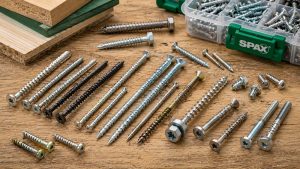
12. SPAX Screws
SPAX screws are engineered to simplify installation across a variety of materials. Depending on the specific screw and application, their design can reduce or eliminate the need for pre-drilling while providing strong holding performance.
They’re available in different sizes and configurations for construction and woodworking applications.
Common applications: Wood construction, remodeling, cabinetry, framing, and general-purpose fastening.
How Do You Choose the Right Screw?
With so many choices available, selecting a screw based solely on diameter and length can be a mistake. The entire application needs to be considered.
Start with the materials being joined. A screw designed for wood behaves differently from one intended for sheet metal. Next, consider the environment. Moisture, chemicals, temperature, and outdoor exposure can influence the material, finish, or coating you need.
You should also consider the required holding strength, head style, drive type, installation method, accessibility, and whether the fastener may eventually need to be removed.
And when you’re not sure which screw is appropriate, getting knowledgeable assistance before ordering can prevent costly problems later.
More Than Just Bolts
The name may be Allied Bolt & Screw, but don’t overlook that last word.
In addition to its extensive bolt and fastener selection, Allied maintains one of the largest inventories of screws in the industry, including solutions for construction, manufacturing, maintenance, repair, fabrication, and specialized applications.
Whether you need drywall screws, self-drilling screws, sheet metal screws, wood screws, socket head screws, tamperproof screws, or something considerably more specialized, Allied Bolt & Screw can help you identify the right fastener for the job.
Don’t settle for a screw that’s simply close enough. Choose the right screw for the application. Contact Allied Bolt & Screw today and let our experienced team help you find the fastening solution you need.